Honoring the Women Behind the Orton Gillingham Approach
March is Women’s History Month, a time that invites us to reflect on the individuals whose ideas and persistence continue to shape the way we teach and support students. In the field of structured literacy, two of those individuals are Anna Gillingham and Bessie Stillman, whose work helped shape what we now know as the Orton Gillingham approach.
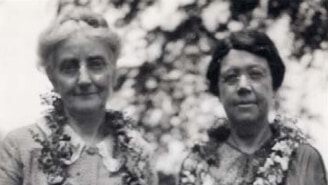
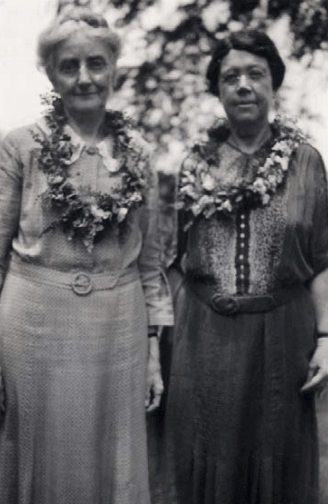 Anna Gillingham and Bessie Stillman
Anna Gillingham was an educator and psychologist who worked closely with Dr. Samuel Orton to develop a systematic way of teaching reading for students who struggled with written language. Bessie Stillman, an educator who collaborated closely with Gillingham, helped translate these ideas into clear and practical instructional practices for teachers. Together, their work helped establish a structured, multisensory approach that continues to guide effective literacy instruction today.
Stillman’s role is sometimes less widely recognized, even though she co authored the original instructional manual with Gillingham and played an important role in shaping how the approach was implemented in classrooms. Over time, the method became commonly known as the Orton Gillingham approach, reflecting the partnership between Dr. Orton’s research and Gillingham’s work organizing the instructional framework. Because Gillingham spent many years training educators and presenting the work nationally, her name became more closely associated with the approach.
This pattern is not unusual in the history of education and research. Collaborative work is often remembered through only one or two names, even when many individuals contributed to the development of the ideas. Women in particular have frequently seen their work reflected in practice while their names appear less often in the historical record. Recognizing the work of both Anna Gillingham and Bessie Stillman offers a fuller picture of the collaboration that helped shape structured literacy instruction.
What began as careful study and collaboration among a small group of researchers and educators has grown into a widely used framework that supports students in many learning environments. The principles of the Orton Gillingham approach remain grounded in thoughtful observation of how students learn best, particularly those who benefit from explicit, sequential instruction in reading and spelling.
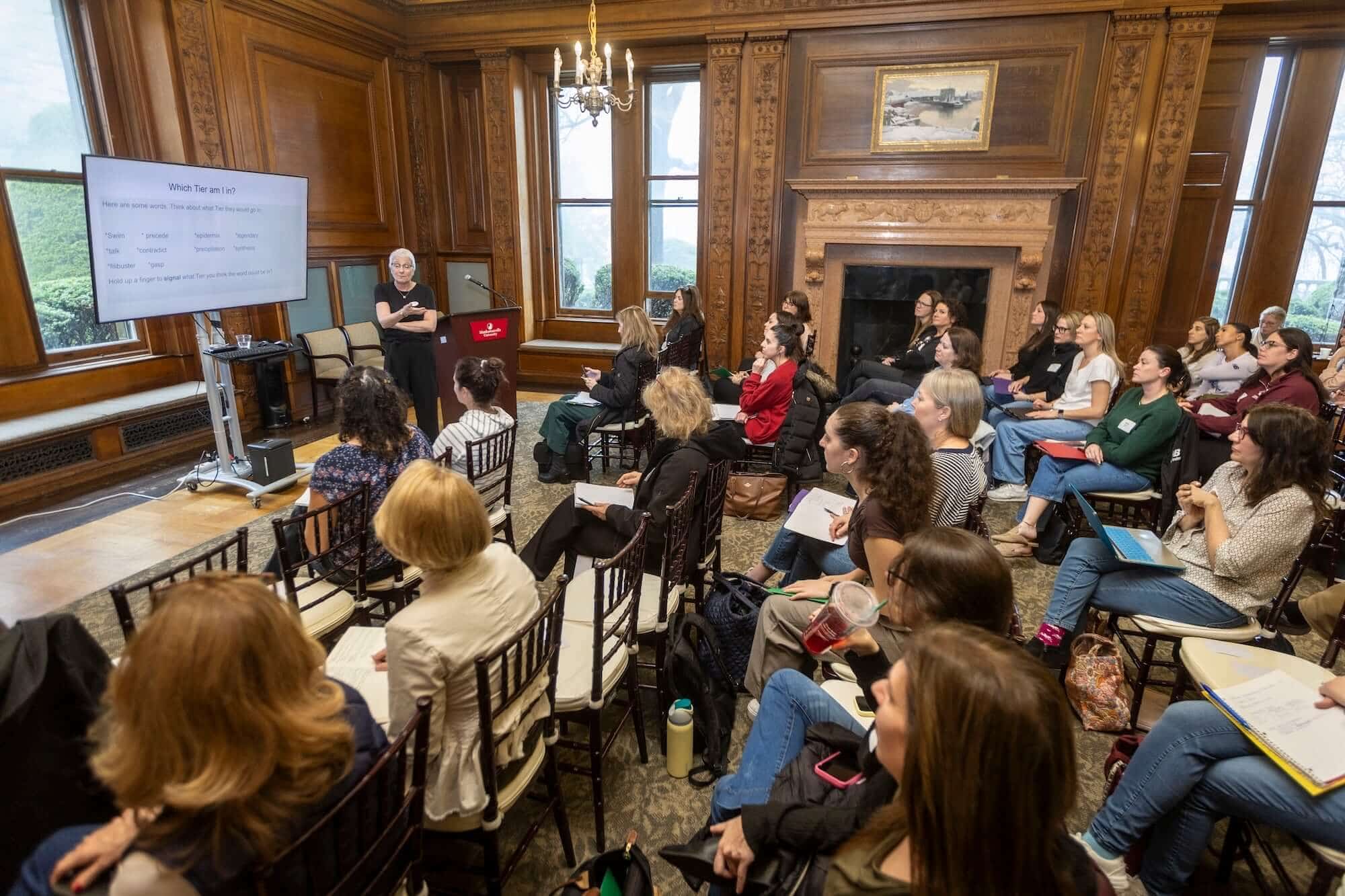 Presenter Vicky Davis
Their work also continues through institutions that carry forward the spirit of research, training, and thoughtful practice that shaped the original approach. The Rose Institute remains part of that continuing effort. Through training, professional learning, and collaboration with educators, the Institute works alongside schools and teachers to help ensure that the principles of structured literacy remain accessible and relevant for today’s classrooms.
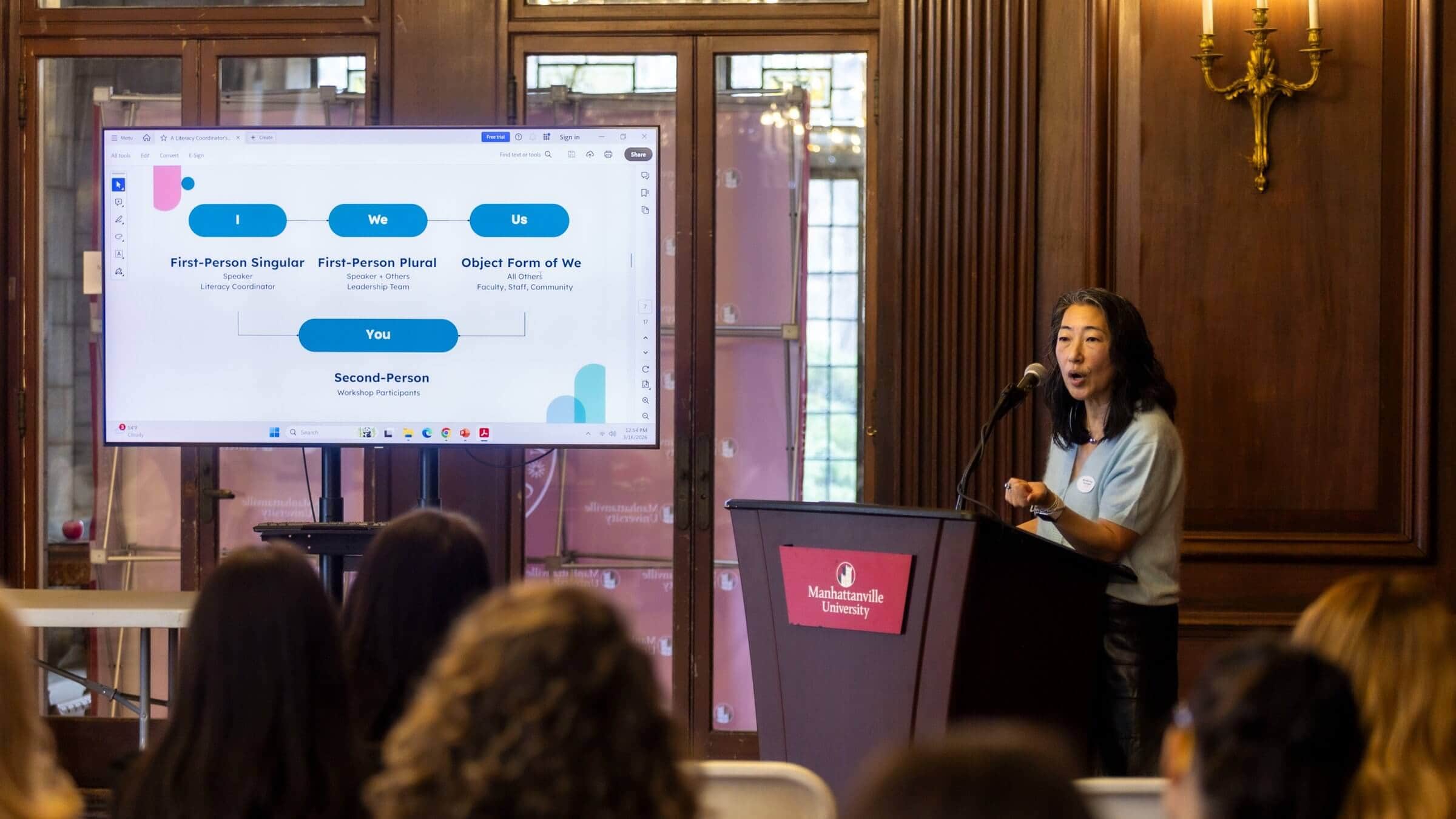 Presenter Michelle Yang-Kaczmarek
Women’s History Month offers a meaningful moment to recognize the educators whose dedication continues to influence how we support students. The work of Anna Gillingham and Bessie Stillman reminds us that careful study, collaboration, and commitment to students can have an impact that lasts for generations. For those working in schools today, their legacy is not only historical. It is present in classrooms, in teacher learning, and in the continued effort to ensure that all students have access to thoughtful and effective reading instruction.
 Presenter Christina Buonamano
About the Rose Institute for Learning and Literacy
The Rose Institute for Learning and Literacy was founded at Manhattanville in 2013 when Sandra Priest Rose established an endowment to ensure that as many students as possible have teachers who are trained in the most effective research-backed literacy instructional methods. The Rose Institute offers graduate coursework and advanced certificates through Manhattanville and professional development opportunities both in-district and through several partner BOCES.
Manhattanville University School of Education
The School of Education undergraduate and graduate degree programs prepare PreK-12 teachers and administrators, higher education and community leaders, and educational industry entrepreneurs. Having served the tri-state area for over five decades, the Manhattanville School of Education guides new generations of educators to become leaders in their field through unrivaled community-based field experiences in over 25 area schools and educational agencies.
Our graduate and doctoral programs offer a blended learning experience with online, in-person, and hybrid courses, which provide our students with the flexibility and resources they need to fulfill their educational goals.