Hands-on clinical training, faculty mentorship, and determination helped the Manhattanville graduate find a career in medical imaging
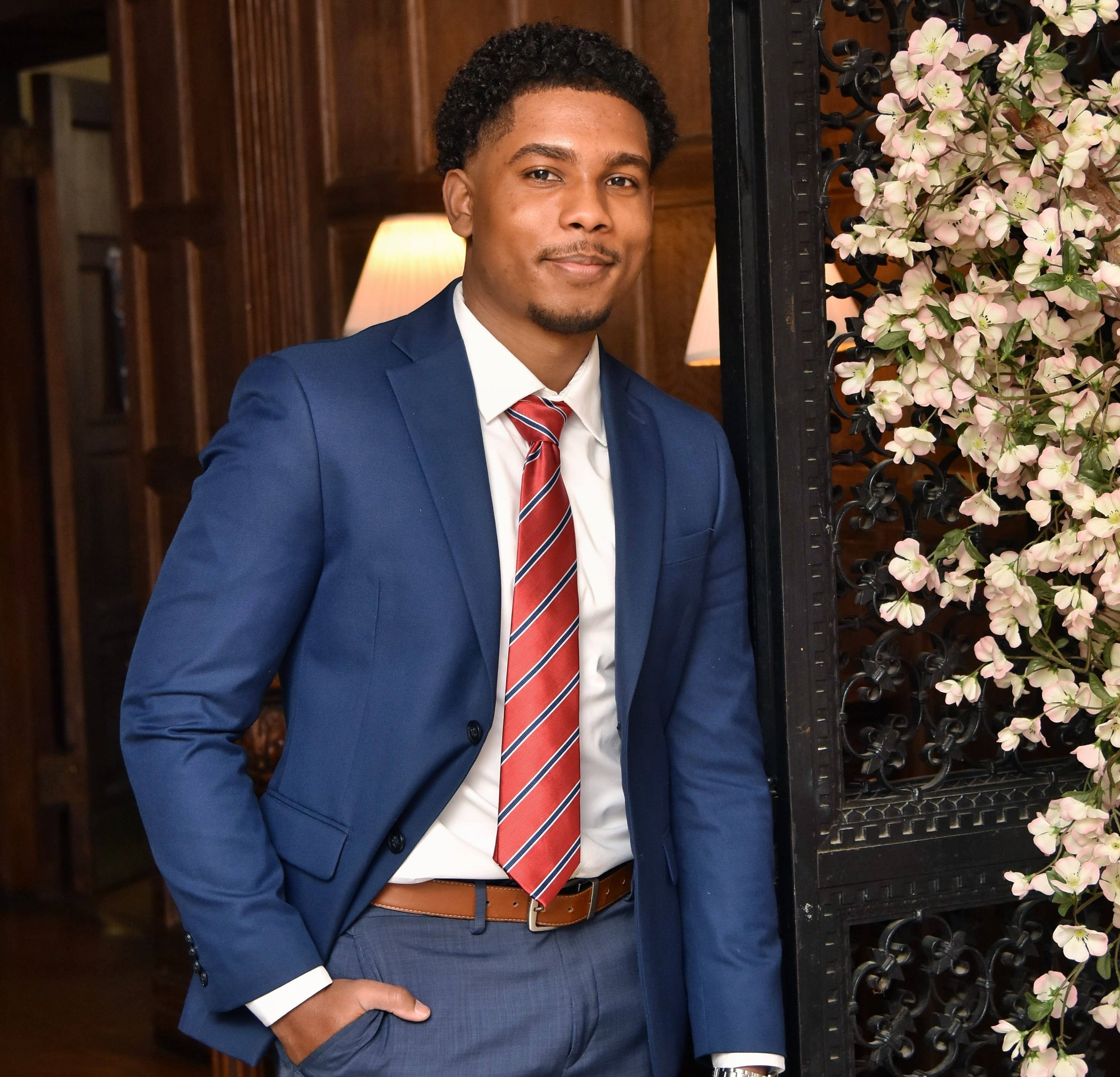
Just months after graduating from Manhattanville University’s Radiologic Technology program in Manhattanville’s School of Nursing and Health Sciences, Steven Paredes ’26 is already making a difference in patients’ lives as a CT Technologist at Vassar Brothers Medical Center.
Paredes began his academic journey at Westchester Community College. While attending school there, he became interested in radiology and started exploring additional educational options. After learning about Manhattanville’s Radiologic Technology program through an advisor, he connected with faculty and staff who helped guide him through the admissions process and prepare for the next step in his career. He transferred to Manhattanville, where he was also able to receive financial assistance—reassuring Paredes that his educational and career goals would be obtainable.
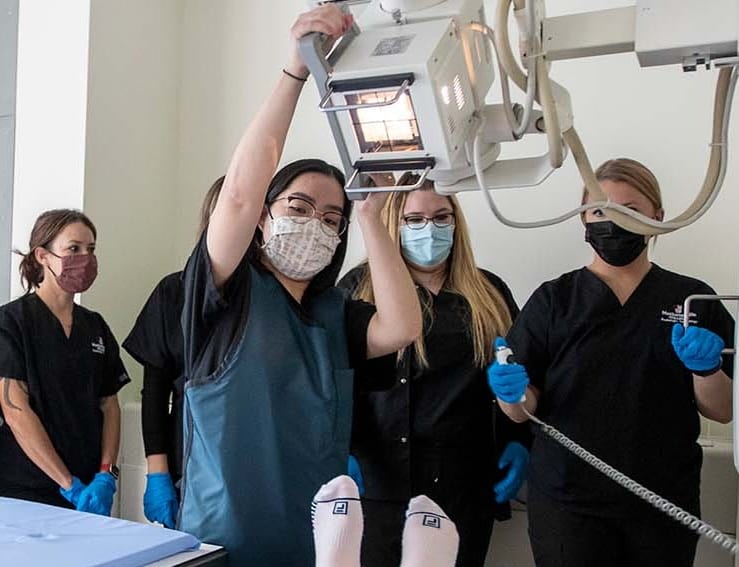
“My experience was great,” Paredes says of his time at Manhattanville. “The clinical education was wonderful because you’re getting real‑world experience, and the lab simulator helped us develop skills and get comfortable with the equipment before working with patients.”
That hands‑on experience proved invaluable. Paredes did a clinical rotation at Putnam Hospital, where he received training in computed tomography (CT) imaging. The experience not only strengthened his technical skills but also helped position him for an opportunity many new graduates spend years working toward.
“Most people graduate with an X‑ray license and work in X‑ray for a few years before moving into CT,” he explains. “Manhattanville gave us a CT course and helped us build a strong educational foundation. Then my clinical experience at Putnam Hospital gave me the practical training. That combination helped me get a CT position straight out of school at Vassar Brothers Medical Center.” He’s also quick to credit his success to the support he received from others. “My professors, clinical instructors, peers, and my family all supported me every step of the journey,” he says.
"Steven’s work ethic, composure, and technical precision consistently set him apart,” says Dean of the School of Nursing and Health Sciences Debra Simons, PhD, RN of Paredes’ time at Manhattanville. “Steven exemplifies Valiant traits of perseverance, integrity, and quiet leadership; he approaches each challenge with determination, maintains unwavering accountability, and consistently prioritizes the well‑being of his patients.” She also notes that Paredes is “a natural” in the sciences, particularly in anatomy and physiology, and he was among the highest GPA‑achieving students in the Radiologic Technology program. “Steven is poised to make a lasting impact in healthcare, embodying both the competence and character of an emerging leader in the field,” she says.
Today, Paredes’ days are busy, as he performs CT scans that help physicians diagnose strokes, injuries, illnesses, and other serious conditions. Each scan produces detailed cross‑sectional images that radiologists use to make critical medical decisions.
While he enjoys the technology behind medical imaging, it is the human impact of the work that motivates him most.
“I always wanted to do something that helped people,” he says. “I like knowing that every day I’m doing something meaningful. Being there for people during difficult moments and helping them figure out what’s going on—that’s what attracted me to healthcare.” Now preparing for his CT certification boards, Paredes is focused on continuing to grow professionally.
Looking back on his experience at Manhattanville, he encourages current students to make the most of every opportunity they are given. “Give 100 percent every day,” he advises. “In clinicals and internships, people notice your effort. Every day is basically an interview. Take advantage of every opportunity, learn as much as you can, and don’t be afraid to make mistakes. That’s part of learning.”
For Manhattanville, Steven Paredes represents the power of experiential learning, faculty mentorship, and student determination. For his patients, he is already making an impact—one scan, one diagnosis, and one act of care at a time.
This article is from the 2026 edition of Manhattanville Magazine. To read the entire magazine, visit https://issuu.com/manhattanvillecollege/docs/manhattaville_magazine_fall_2026_