Combining technical excellence with compassionate patient care, Manhattanville’s Radiologic Technology program prepares graduates to make a meaningful impact in healthcare.
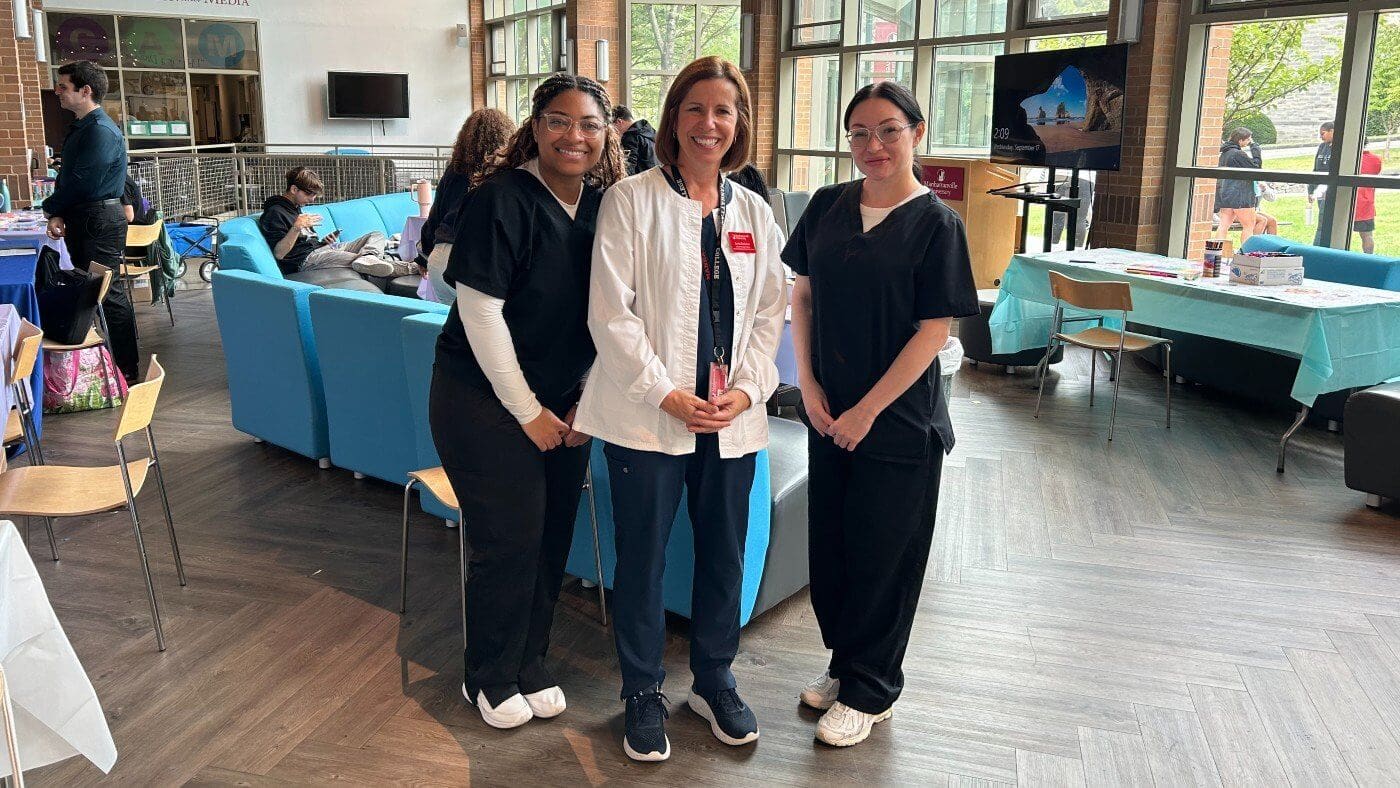
Every November, National Radiologic Technology Week is celebrated during the week of November 8th. The event honors the radiologic technologists (“rad techs”) who play a key role in healthcare. It also marks the anniversary of Wilhelm Conrad Roentgen's discovery of the x-ray on Nov. 8, 1895. At Manhattanville University, Radiologic Technology students are acknowledged during this week with an event celebrating the contributions they're already making in the field, since students spend two days a week in a clinical setting.
Today, medical imaging is essential for healthcare, routinely helping healthcare teams make accurate diagnoses and develop effective treatment plans. And behind every X-ray, CT scan, and diagnostic image is a skilled radiologic technologist – like recent graduate of the Radiologic Technology Program Steven Paredes ‘26, a CT Technologist – who combines technical expertise with compassionate patient care.
Students in Manhattanville's Bachelor of Science in Radiologic Technology program are gaining the knowledge, clinical experience, and professional skills needed to thrive in this growing field. Through a combination of classroom instruction, simulation-based learning, and extensive clinical placements, the program prepares graduates to become excellent healthcare professionals and future leaders in medical imaging.
A Program Built for Career Success
Unlike many radiography programs that award an associate degree, Manhattanville’s four-year bachelor’s program provides students with both specialized technical training and a broader educational foundation. Students learn the science behind diagnostic imaging while developing critical thinking, communication, and leadership skills that can serve them throughout their careers.
For Iris Cortes, M.A., R.T. (R)(CT) ARRT, Associate Professor and Program Director of the Radiologic Technology Program in the School of Nursing & Health Sciences, that combination is one of the program’s greatest strengths.
“Technical skills are critically important, but healthcare professionals also need strong communication skills, professionalism, and the ability to engage with people from all backgrounds,” Cortes said. “Our students receive an education that helps them grow as healthcare providers and as individuals.”
This approach reflects Manhattanville University’s mission and helps students prepare for careers that increasingly demand both clinical expertise and human connection.
Learning Beyond the Classroom
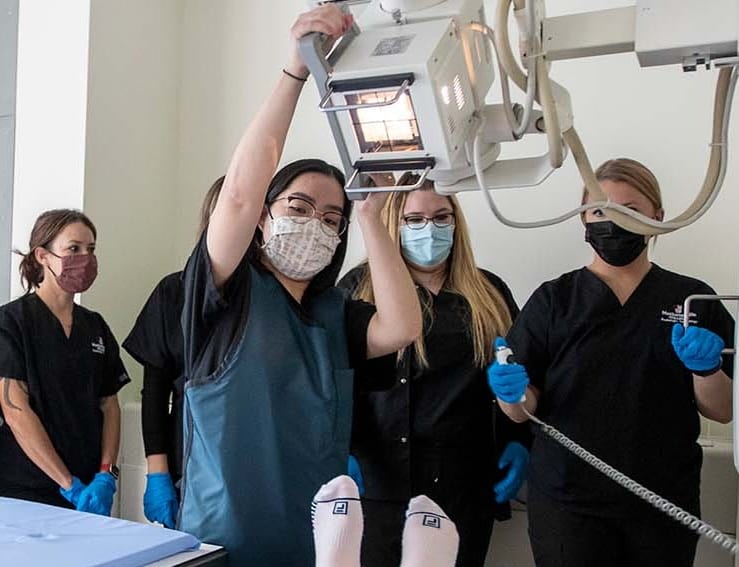
Radiologic technology is a hands-on profession, and Manhattanville places a strong emphasis on experiential learning. Students complete more than 1,000 hours of clinical education through rotations at hospitals, imaging centers, orthopedic practices, and healthcare facilities throughout the region. These experiences allow students to work alongside experienced professionals while developing competency in imaging procedures, patient care, and radiation safety.
The program also incorporates simulation-based training that gives students the opportunity to practice skills and build confidence before entering clinical settings.
“Students learn best when they can apply what they’re learning,” Cortes said. “We want them to feel prepared when they walk into a clinical environment and begin working with patients.”
Staying Ahead of a Changing Profession
Medical imaging continues to evolve as new technologies expand diagnostic capabilities and improve patient outcomes. To help students stay competitive in the profession, Manhattanville recently enhanced its curriculum with structured education in Computed Tomography (CT) and Magnetic Resonance Imaging (MRI).
As of fall 2026, students in the program have access to the 16 credits of CT and MRI structured education required by the American Registry of Radiologic Technologists (ARRT), giving graduates a significant advantage as they pursue advanced imaging credentials and career opportunities.
“Healthcare is constantly changing,” Cortes said. “We want our students to graduate with a strong foundation and the tools to continue advancing throughout their careers.”
Creating a Community of Future Professionals
For Cortes, student success extends beyond academics and certification exams. She is passionate about building a supportive learning environment where students can develop professional confidence and lasting connections.
The cohort-based nature of the program encourages collaboration among students who spend two intensive years learning and training together. Faculty members work closely with students throughout that journey, serving as mentors and helping them navigate both academic and professional challenges.
“Our students develop strong relationships with one another,” Cortes said. “Those connections often continue long after graduation and become part of their professional network.”
That sense of community is reinforced through events, professional activities, and opportunities for students to engage with practicing radiologic technologists and healthcare leaders.
Meeting Workforce Demand
As healthcare systems continue to expand access to diagnostic imaging services, the demand for qualified radiologic technologists remains strong. Manhattanville’s program prepares students to sit for the ARRT certification examination while equipping them with the clinical experience and professional skills employers seek.
Accredited by both the New York State Department of Education and the Joint Review Committee on Education in Radiologic Technology (JRCERT), the program emphasizes technical competence, ethical practice, radiation safety, and patient-centered care.
For students who are interested in combining healthcare, technology, and meaningful patient interaction, Manhattanville’s Radiologic Technology program offers a pathway to a rewarding profession and a future filled with opportunity.
As Cortes sees it, the goal is simple: “We’re preparing students not just for their first job, but for a lifelong career of learning, growth, and service.”
Learn more about the Bachelor of Science in Radiologic Technology at Manhattanville University: https://www.mville.edu/programs/radiologic-technology.php