Creating Space for Steady Growth in Community
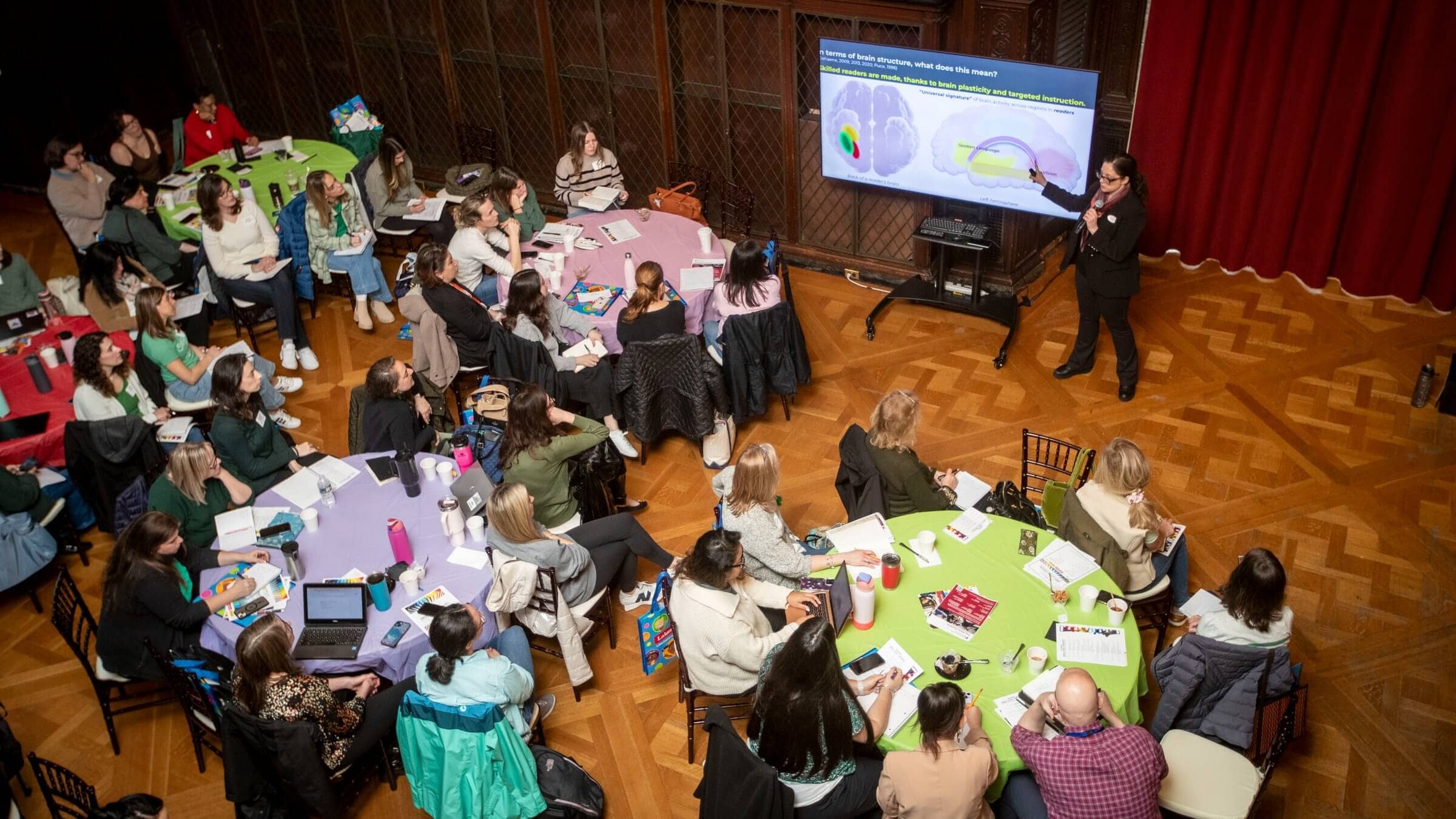
There’s a particular kind of fatigue that can settle in around professional and instructional learning. Not because educators and administrators aren’t committed to growth (we are), but because growth can begin to feel like one more disconnected demand layered onto already full days. We have been reflecting on what it means for professional learning to feel supportive rather than overwhelming. Supportive professional learning doesn’t mean “lighter” or less rigorous. It means more thoughtful. More attuned to the realities of schools. More grounded in how adults actually learn. It can look like:
Pacing that allows for thinking. Not rushing through slides, but building in pauses to reflect, discuss, and connect ideas to real contexts.
Opportunities for dialogue. Structured time to hear how colleagues are approaching similar challenges, rather than sitting passively through content.
Practical entry points. Leaving with one or two clear starting places, instead of a long list of expectations.
Acknowledging complexity. Naming that implementation will vary across schools and roles, and that refinement over time is part of the process.
Ongoing connection. Creating pathways to return to the work, ask questions, and deepen understanding over time.
Professional learning, at its best, should leave us clearer, more grounded, and more connected — to our work and to one another. We are grateful to be in that ongoing conversation with you
About the Rose Institute for Learning and Literacy
The Rose Institute for Learning and Literacy was founded at Manhattanville in 2013 when Sandra Priest Rose established an endowment to ensure that as many students as possible have teachers who are trained in the most effective research-backed literacy instructional methods. The Rose Institute offers graduate coursework and advanced certificates through Manhattanville and professional development opportunities both in-district and through several partner BOCES.
Manhattanville University School of Education
The School of Education undergraduate and graduate degree programs prepare PreK-12 teachers and administrators, higher education and community leaders, and educational industry entrepreneurs. Having served the tri-state area for over five decades, the Manhattanville School of Education guides new generations of educators to become leaders in their field through unrivaled community-based field experiences in over 25 area schools and educational agencies.
Our graduate and doctoral programs offer a blended learning experience with online, in-person, and hybrid courses, which provide our students with the flexibility and resources they need to fulfill their educational goals.