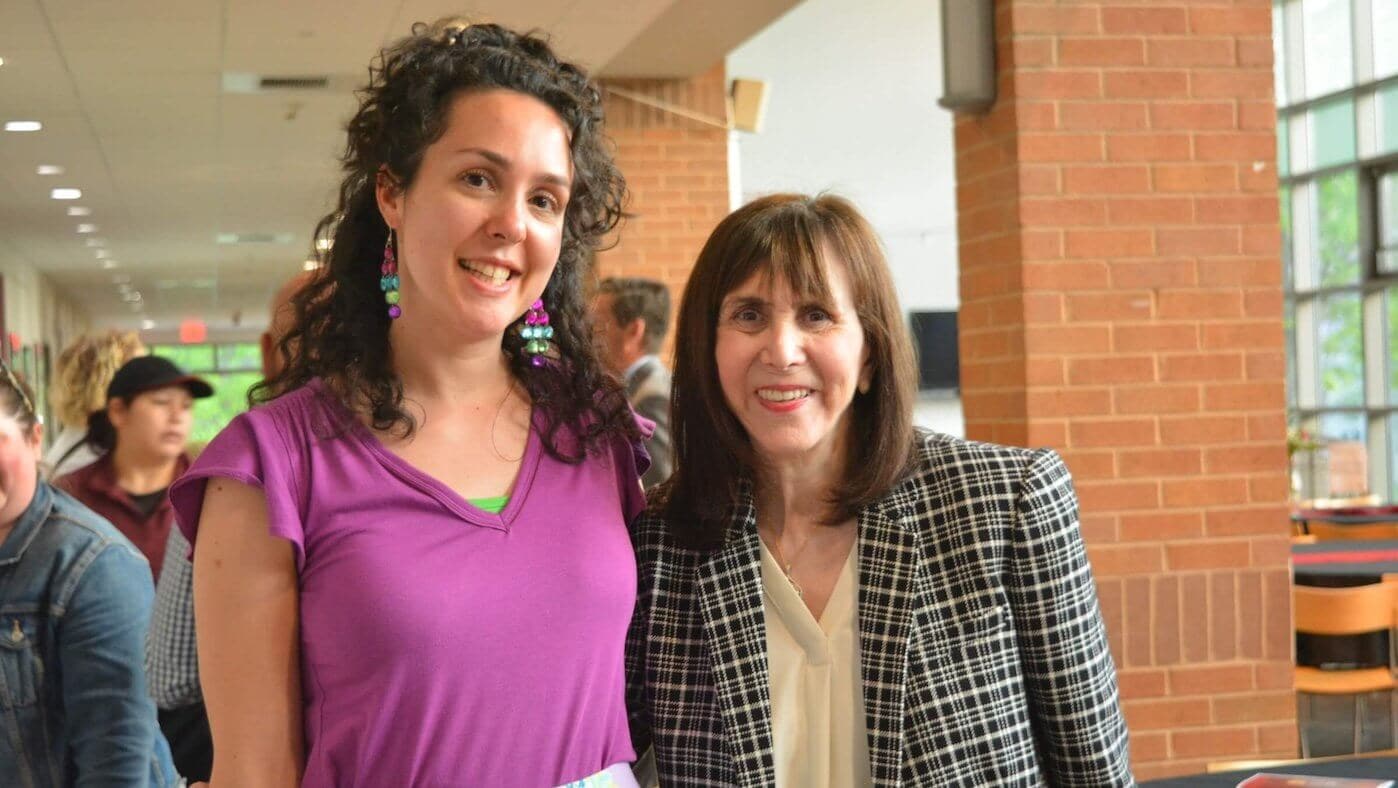
Meet Dr. Shelley Wepner, Professor and Coordinator for the Signature and Higher Education Pathways
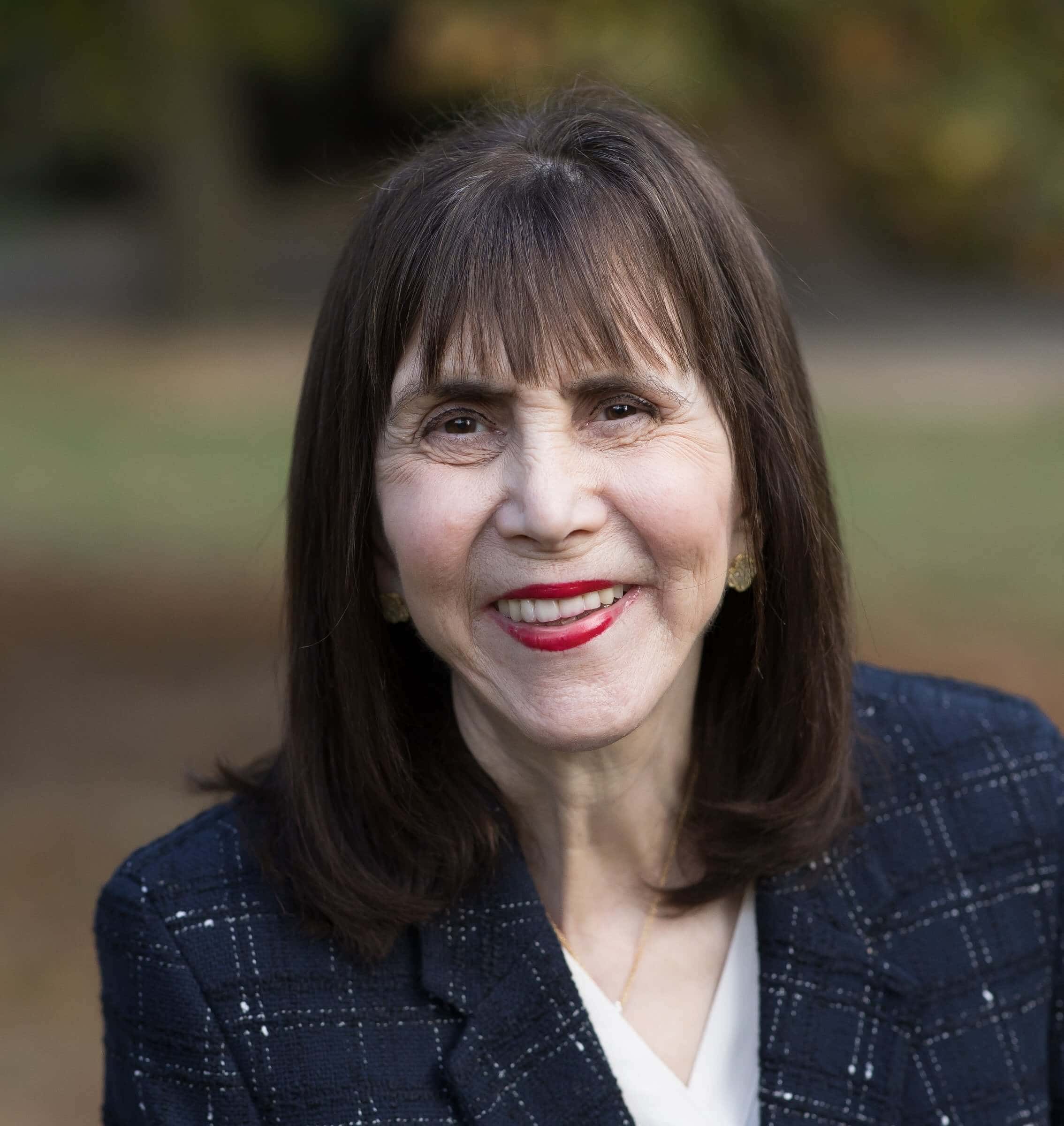
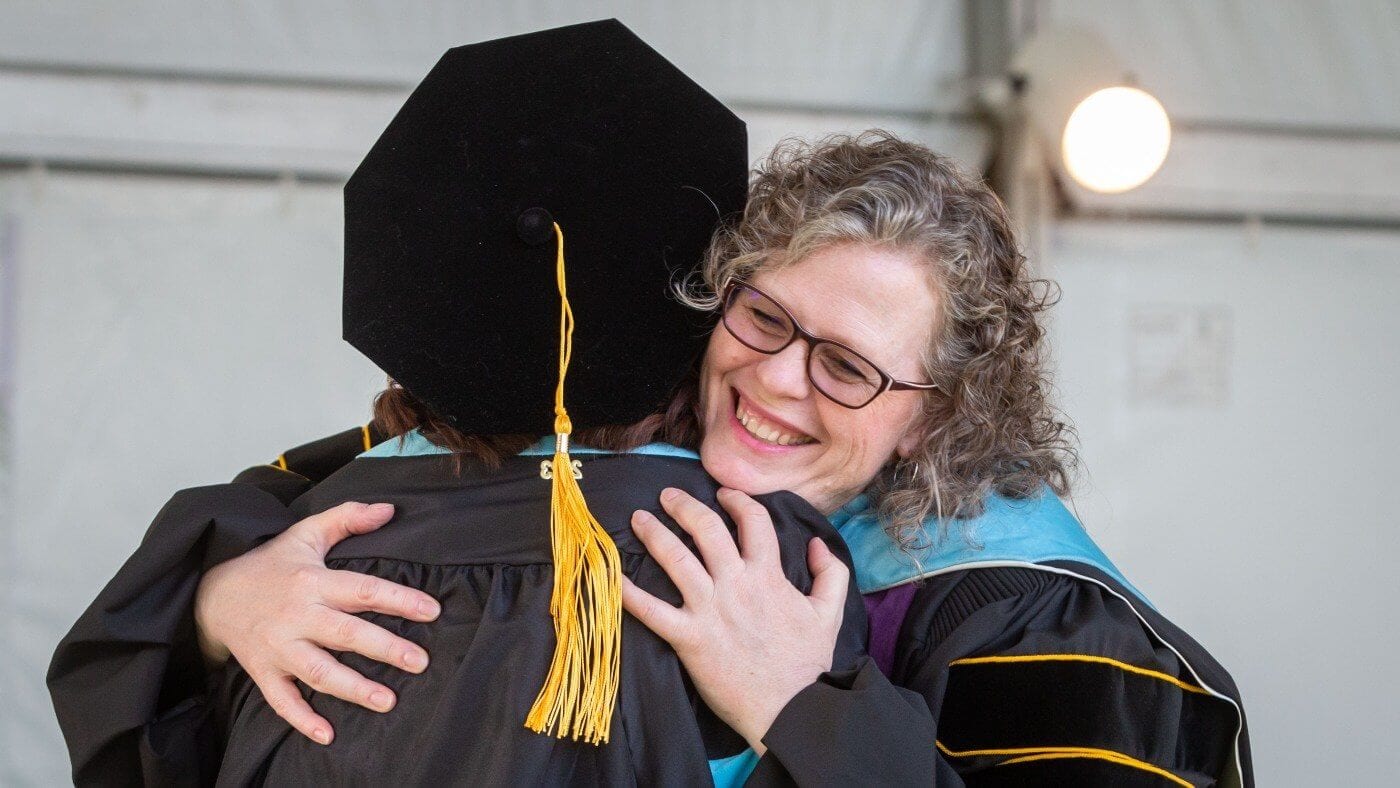
When Dr. Shelley Wepner first stepped into leadership roles as a young student, she didn’t yet know that those early moments—organizing peers, guiding groups, and naturally stepping into the presidency of a local organization she joined—were the first steps toward a lifelong career in educational leadership. What began as instinct quickly evolved into purpose, ultimately bringing her to Manhattanville University, where she now serves as Professor, Coordinator for the Signature and Higher Education Pathways, and Dean Emeritus of the School of Education.
Wepner’s path was anything but linear. After a successful teaching and administrative career in K–12 leadership, she made the leap to higher education for a deeply personal reason: flexibility. As the mother of young twin girls, she sought a profession that would allow her to balance her growing academic ambitions with the demands of raising a family. “The job was just as hard,” she laughed, “but at least I could be available for them and take my paperwork wherever I needed to go.”
What followed was a steady rise through higher education administration—some of it planned, much of it unexpected. Pushed into a department chair role just after returning from sabbatical, Wepner discovered not only that she could lead, but that she enjoyed it. She later worked closely with her dean, took on roles involving field placement and program development, and found joy in helping others succeed. Those experiences eventually inspired her to pursue the deanship she once never imagined wanting.
“One of the happiest days of my life,” she recalled, “was when I was offered the job at Manhattanville.” The memory is vivid: she was in California with her family when she received the call. A month later, she had uprooted her life to begin what would become one of her most meaningful professional chapters.For Wepner, leadership has never been about following a specific theory or framework—it has always been about people.
“I didn’t set out to be an administrator,” she shared. “But I realized that leadership is really about helping others thrive. It’s about building a community that works together, respects one another, and is motivated to do their best.”That philosophy has shaped her work with the doctoral program at Manhattanville, where she has witnessed firsthand the extraordinary labor, dedication, and mentorship required to guide students from an initial research idea to a completed dissertation. She speaks with deep admiration for the faculty who support each scholar through what she considers “a very different journey” than any other degree.
“I wish more people understood the level of commitment it takes,” she said. “The faculty work so hard to help each student succeed. It’s remarkable.”Beyond Manhattanville, Wepner has watched the broader landscape of education shift—sometimes dramatically. Federal policies continue to impact both K–12 and higher education, requiring institutions to adapt to changing expectations, regulations, and funding realities. To her, this is not a new challenge but an enduring one. “The federal government has always created new rules and regulations,” she noted. “We just have to figure out how to weather whatever storm comes our way.”
Looking forward, Wepner sees opportunity in growth and refinement. She envisions a future possibility of a special education pathway in the doctoral program and advocates strongly for increased funding to support faculty, who currently carry heavy dissertation advising loads. Above all, she hopes the University will continue to recognize the uniqueness of its doctoral culture—one defined by high completion rates, deep relationships, and an approach to curriculum that builds student confidence step by step.
“The cohort model, the high-touch mentoring, the scaffolding of coursework—these are things that truly set us apart,” she said. “Our students form bonds that last a lifetime. It really is like a family.”
The program’s success, she believes, lies in its humanity. Students choose their topics, select their chairs, and move through a process that honors their interests and professional goals. The faculty, in turn, support each other with the same generosity and collaboration they extend to their students.
To emerging leaders contemplating a doctoral degree, Wepner’s message is simple and emphatic:
“Do it. Figure out how to get it, and do it now. You can always lose a job, but no one can ever take that degree away from you.” Her advice reflects decades of lived experience—from her early days leading student clubs to her years as dean, professor, mentor, and guide. It is advice shaped by resilience, empathy, and a belief in the transformative power of education.
And behind the titles and accomplishments lies a vibrant, energetic person with passions that keep her grounded—especially her love of exercise. A self-described “addict,” she works out seven days a week on one of her three machines or lifting weights. She loves a good Philly cheesesteak from South Philadelphia, cherishes time with her twin daughters (now 45), grandchildren and sons-in-law, and brings the same discipline to her personal life that she has brought to every professional chapter.

Written by Victoria R. DeLucia
The Doctoral Program in Educational Leadership is designed for practicing and prospective leaders and experienced educators in P-12 and higher education, serving schools, districts, private and independent schools, charter schools, colleges, universities, community organizations, and entrepreneurial endeavors. The Doctoral Program in Educational Leadership consists of 3 pathways and adopts a cohort model enabling students to be part of a dynamic and cohesive community of learners during the EdD program.
Currently enrolled students and doctoral alumni are highly accomplished scholar-practitioners who appreciate and have benefited from the value of having a terminal degree in the field of education.
Celebrating Excellence since 2010
About Manhattanville University:
Manhattanville University is a private liberal arts institution dedicated to academic excellence, purposeful education, and social responsibility. For three years in a row, “U.S. News and World Report” has ranked Manhattanville the number one private, non-profit institution in New York among Top Performers of Social Mobility in Regional Universities North. Located 30 miles from New York City on a 100-acre suburban campus in the heart of Westchester County, Manhattanville enables easy access to entertainment offerings, educational resources, and business opportunities for its primarily residential and diverse student body. The university serves more than 1,300 undergraduate students and nearly 1,000 graduate students from more than 44 countries and 33 states. Founded in 1841, the university offers more than 75 undergraduate and graduate areas of study in the arts and sciences, education, nursing and health sciences, business, and creative writing, as well as continuing and executive education programs. Graduate students can choose from more than 70 graduate and certificate programs. Extracurricular offerings include more than 45 clubs and activities and 24 NCAA Division III teams.